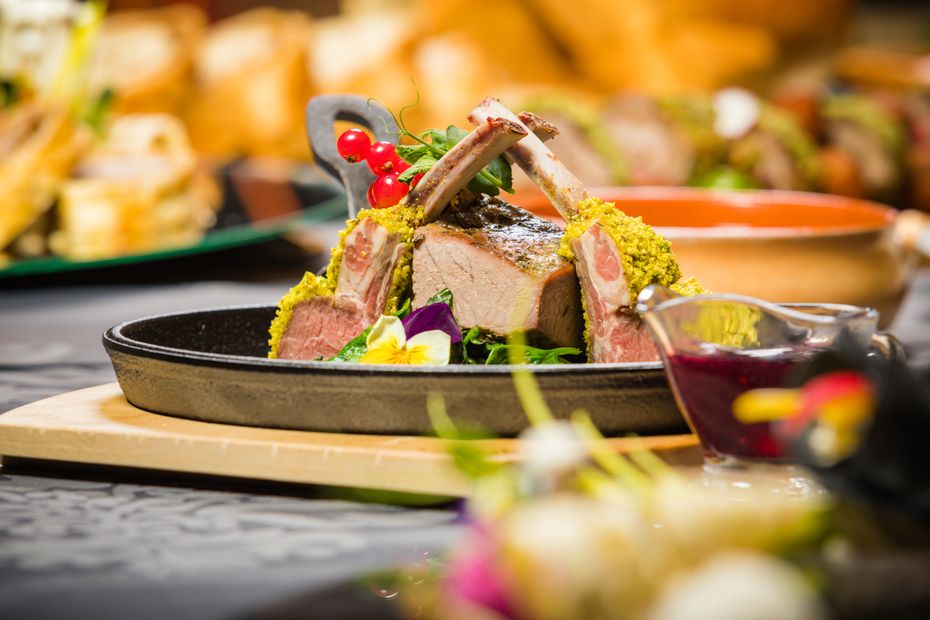
Why patience is the most underrated ingredient in your kitchen.
A braise asks for almost nothing but time, and rewards you out of all proportion to the effort. The trick is a hard sear first, then just enough liquid to come halfway up the meat, and a lid that traps the steam.
Low heat is the whole game. A bare simmer, somewhere around 300F in the oven, breaks down tough connective tissue into silk without ever turning the meat to string. Rushing it with high heat is the single most common mistake.
Finish by reducing the braising liquid into a glossy sauce, and don't skip the rest. A braise made a day ahead and gently rewarmed is always better -- the flavors settle and deepen overnight.
More from the journal

Building a Pantry That Works
The fifteen staples that turn a bare kitchen into a working one.
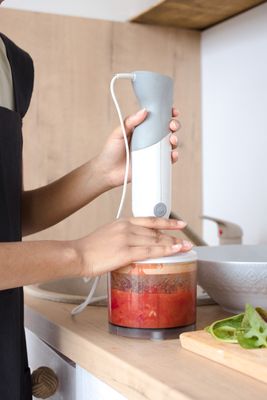
Knife Skills That Actually Matter
Forget the flashy chopping. Master these four cuts instead.

The Case for Cast Iron
One pan, decades of use, and a finish that gets better with age.